Last updated: September 10, 2026
Key Takeaways
- Pellet suits the person who wants smoke flavor without tending a fire every 10 minutes.
- Usually, the best grill type for an outdoor kitchen is the one that matches how you actually cook most of the time.
- Here’s the trap: pick for the 20% fantasy meal, then live with the wrong machine every weekend.
- I would skip charcoal if the goal is burgers on a Tuesday in under 20 minutes.
Built-in gas, charcoal, and pellet grills solve different problems. Which one fits depends on how you cook, how much cleanup you can tolerate, and whether your outdoor kitchen is tied to a gas line, electrical service, or neither. Fast weeknight cooking with low maintenance? Gas usually wins. Want live-fire flavor and are you okay with more ash and slower starts? Charcoal still has the edge. Prefer set-and-hold temperature control with wood smoke flavor? Pellet belongs in the conversation. For appliance specs and built-in safety, check the manufacturer’s manual and guidance from the National Fire Protection Association and the U.S. Consumer Product Safety Commission.
What each grill type actually does best
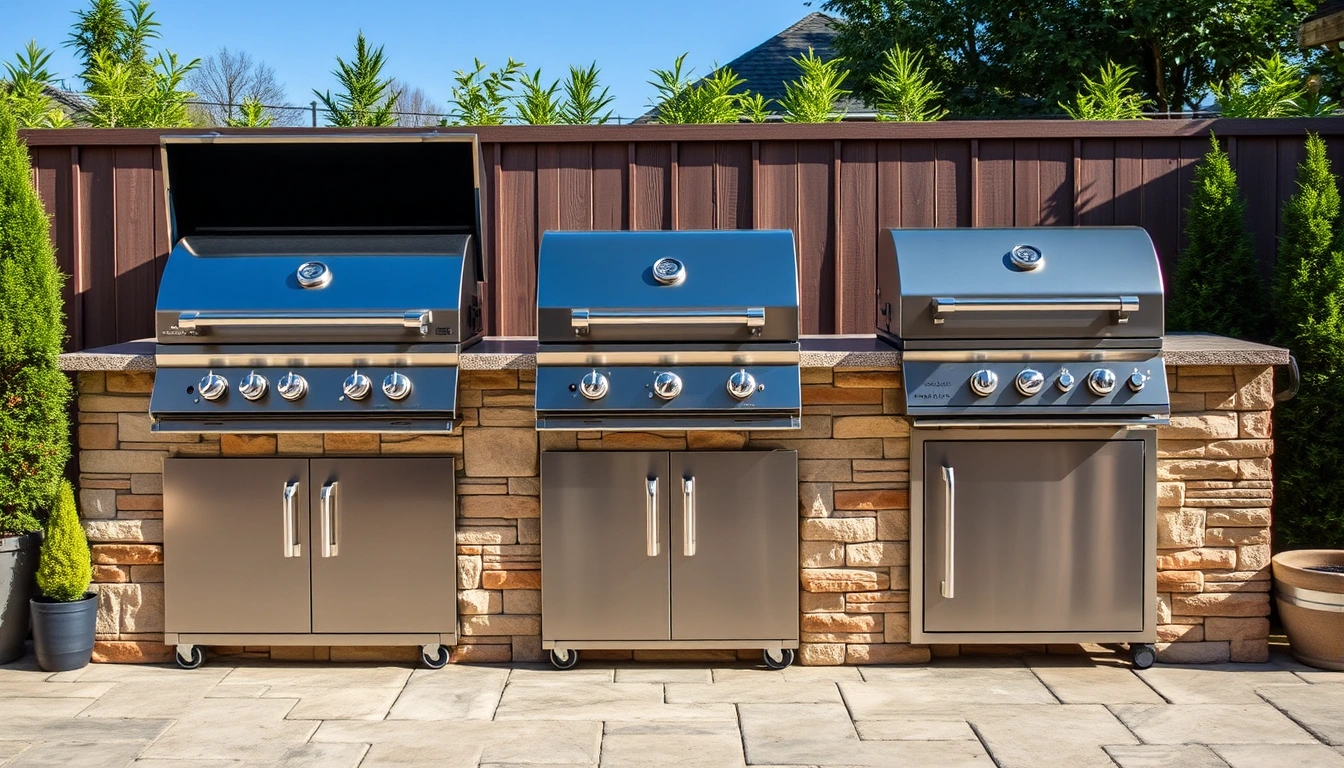
Built-in gas is often the quickest path from “I want to cook” to “the food is on.” It runs on natural gas or propane, usually has stainless steel cooking grates, may include a rear infrared burner on some models, and sits in a cutout built into the island. Charcoal is mechanically plain: a firebox, charcoal grate, air vents, and surrounding structure that can handle direct radiant heat. Pellet grills burn compressed hardwood pellets and use an electric auger and controller to feed fuel into a burn pot; so a built-in pellet unit needs power, not just fuel.
That difference matters more than the marketing copy. Gas asks the least from the cook. Charcoal wants attention, and in return it can deliver a strong sear and that classic grill flavor. Pellet is for the person who wants smoke flavor without babysitting a fire every 10 minutes. I’d pass on pellet if I wanted a pure steakhouse sear or if the outdoor kitchen has no convenient outlet. I would not pick charcoal if the plan is burgers on a Tuesday in under 20 minutes. And gas? I’d skip it if “live fire” is the whole point of the project. Simple.
If you’re deciding what belongs in a permanent outdoor kitchen, start with the meals that happen most often at your house. A built-in grill is not just a box with burners or coals inside it; it anchors the whole island. So the fuel choice affects layout, ventilation, access panels, and whether the installation stays straightforward or turns into a project with extra service connections.
Which outdoor kitchen grill type fits your cooking style?
The best grill type for an outdoor kitchen is the one that matches how you actually cook most of the time. Sounds obvious, sure. But the trap is choosing for the 20% fantasy meal and then living with the wrong machine every weekend.
Built-in gas fits frequent, mixed-use cooking. It is the easiest for chicken parts, vegetables, burgers, and weeknight steaks. It also works well in homes where different people may cook on different days, because the learning curve is short. If your outdoor kitchen sits close to the house and you want predictable ignition with less smoke drifting toward neighbors, gas is usually the cleanest fit.
Charcoal fits the cook who treats grilling as a process, not a utility, and the National Fire Protection Association recommends following the manufacturer’s instructions and keeping grills away from structures. It works well for thicker steaks, bone-in cuts, kebabs, and anything that benefits from a hard sear or two-zone cooking, which means one side of the fire is hot and the other is cooler for finishing. If you already know the terms “direct heat” and “indirect heat,” charcoal will feel natural. If you want to light it, walk away for 45 minutes, and come back later, it will drive you up the wall.
Pellet fits the person who wants repeatable temperature control with some smoke character. It is often used for pork shoulder, ribs, chicken, salmon, and baked items like pizza or casseroles that do well at 225°F to 375°F. It is less convincing for ultra-high-heat searing unless the specific unit has a strong direct-flame design or you add a sear station. That trade-off is real. A pellet grill can do a lot, but it is not the same tool as a charcoal bed under a thick steak.
The wrong fit shows up fast. Hate ash cleanup? Charcoal will wear on you. Don’t want to rely on electricity outdoors? Pellet may be a bad fit. Want the aroma and ritual of fire but expect gas to behave like charcoal with a different fuel? You’ll be disappointed. No mystery there.
What does a built-in gas grill require?
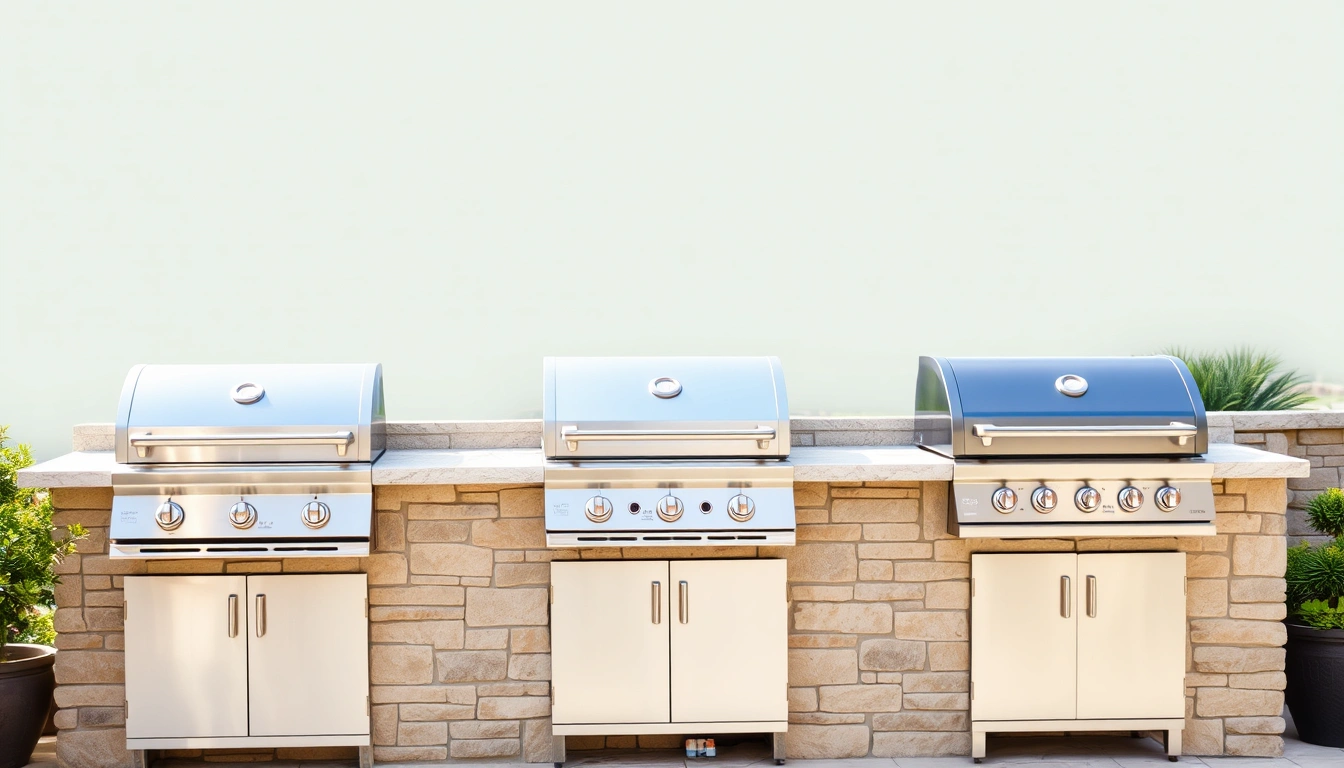
A built-in gas grill requires fuel, ventilation, and clearances that match the manufacturer’s installation manual. That’s the short version, and the manual matters because built-in gas units are not drop-in countertop appliances. Most need a precise cutout, side and rear ventilation openings, and an access door for the gas connection and shutoff valve. Some also need a dedicated drip pan or grease management path.
Usually, the fuel choice is natural gas or propane. Natural gas is convenient if you already have a line at the site. Propane gives you flexibility if the island sits where a gas line would be costly to run, but you need a place for the tank and a safe way to access it. Want a built-in propane setup? Check whether the island design includes a ventilated cylinder cabinet. A sealed cabinet is the wrong place for a propane cylinder.
The upside is speed. A gas grill can usually be ready in minutes, not half an hour. The downside is that gas grilling can feel less forgiving on a bad day because the heat is immediate and can run hot near the grate. Thin steaks, burgers, and vegetables need attention or they dry out quickly. If you expect restaurant char, some gas grills will disappoint unless they include an infrared burner, a strong sear zone, or a well-designed flame spreader.
For serviceability, gas is often the easiest built-in to keep operating. Burners, igniters, and flavorizer components are accessible on many units. But I would not assume any built-in gas grill is “simple.” A poor installation, inadequate ventilation, or a mismatched fuel supply turns a convenient grill into an expensive cabinet ornament. The CPSC also advises keeping outdoor grills in well-ventilated areas and away from combustible surfaces.
How do I choose between charcoal and pellet in an outdoor kitchen?
Choose charcoal if you want the best heat control by hand and the most direct fire flavor. Choose pellet if you want temperature control without constant attention and you can supply electricity. That is the real split.
Charcoal heat is shaped by charcoal quantity, vent position, and arrangement in the firebox. A two-zone setup can be built with a pile of lit coals on one side and a cooler side for finishing. That makes charcoal versatile in a compact footprint. The downside is labor: lighting, waiting for the coals to ash over, managing flare-ups, and cleaning out ash after the cook. In a built-in setting, you also need materials around the grill that tolerate heat radiated from the firebox. If the island shell or finish is poorly chosen, charcoal is the least forgiving option.
Pellet grilling uses a controller, often digital, to maintain a target temperature by feeding pellets in small amounts. The auger moves fuel from hopper to fire pot; the fan helps combustion. That gives pellet grills their main advantage: repeatable temperature with relatively little effort. It also gives them their main limitations: they need power, they can struggle in very cold or windy conditions if poorly insulated, and pellet flavor is gentler than charcoal smoke. Most built-in pellet units also create more mechanical dependency. If the controller, igniter, or auger fails, you do not have a fire you can simply keep feeding by hand.
I would choose charcoal if the point of the outdoor kitchen is elevated grilling and occasional long cooks. I would choose pellet if the point is smoking plus convenience. I would not choose charcoal if the family expects “turn it on and dinner in 15 minutes.” I would not choose pellet if the setup is far from power or the site is exposed to weather that makes electrical reliability a concern.
If you are torn, ask one question: do you want to manage fire or manage temperature? Charcoal is for managing fire. Pellet is for managing temperature.
What should I check before I commit to a built-in grill?
Before you commit, check fuel, power, ventilation, cutout size, and cleanup access. That order matters, because fixing any one of them after the island is built can cost more than the grill itself.
First, confirm the fuel path. Natural gas needs a properly sized line and shutoff. Propane needs cylinder storage and ventilation. Pellet needs a nearby electrical outlet, ideally protected from weather and placed where the cord does not cross a hot or wet zone. Second, verify the grill’s cutout dimensions against the exact model, not a generic category. Built-in units vary enough that a few centimeters can decide whether the install fits cleanly or needs cabinet surgery.
Third, plan for ventilation. Built-ins trap heat in cabinetry; that is why many installation guides call for lower and upper vents, especially for gas. Fourth, think about access. Grease trays, ash drawers, hopper lids, and service panels all need enough room to open fully. Fifth, check the surrounding materials. The island face, countertop edge, and nearby shelves should tolerate heat and grease splatter. Modern finishes are the issue; the wrong surfaces can soften, stain, or crack.
A good result is not just “it fits.” A good result means the lid opens without hitting a backsplash, the fuel shutoff is reachable, the grease can be removed without pulling the whole grill, and the cook has 36 inches or so of usable prep space nearby. That last number is not a law, just a practical target: enough room for a tray, tongs, and a platter without juggling them.
If a seller cannot give you the installation manual before purchase, stop. A built-in grill without clear installation specs is a layout problem waiting to happen.
When should I stop and choose a different grill type?
Stop when the site, the fuel, or the cooking style makes one grill type fight the project instead of fit it. These are not tiny inconveniences; they change the whole build.
No electrical outlet near the island: Pellet becomes unreliable or impossible to install cleanly — choose gas or charcoal instead, or plan electrical work before you buy.
No safe propane cabinet or gas line access: Gas may become expensive or awkward to run — choose charcoal if you want fire without fuel piping, or redesign the utility run.
Very tight budget for the island shell: Charcoal can look simple, but heat-safe materials and ventilation still cost money — choose gas only if the island already supports it, or postpone the build.
Primary goal is high-heat steak searing: Pellet usually underperforms without special sear features — choose charcoal or a gas grill with a serious sear zone.
Primary goal is hands-off smoking for long cooks: Charcoal demands attention — choose pellet, especially for pork shoulder, brisket, and ribs.
Frequent use in windy or exposed conditions: Pellet performance can be affected more than gas — choose gas if predictable ignition matters, or charcoal if you can shelter the cook area.
Ignore those mismatches, and the consequence is not just annoyance. It’s a built-in grill that gets used less often because it is the wrong kind of work. Honestly, I’d rather see someone buy the “less exciting” fuel type and use it every weekend than build around a romantic choice that ends up as storage after one season.
What mistakes do people make with built-in grill types?
The biggest mistake is choosing by fuel romance instead of use pattern. Charcoal sounds authentic, pellet sounds modern, gas sounds convenient. The result is disappointment when the chosen grill does not match real habits. The fix is to anchor the decision in your most common meal, not your favorite memory.
Another mistake is treating built-in dimensions as approximate, and the manufacturer’s installation manual should be checked before any cabinetry is built. A grill that is 2 inches too wide or too shallow for the cutout turns into a remodeling task. The better move is to match the exact model’s spec sheet before any cabinetry is built.
A third mistake is ignoring ventilation. Built-ins trap heat, and heat damages cabinetry, wiring, and finishes. The consequence can be warped panels or a grill that runs hotter inside the enclosure than intended. The correct alternative is to follow the manufacturer’s venting requirements exactly.
A fourth mistake is buying pellet without planning for weather and power. Then you get nuisance shutdowns, slow starts, or a cord routed badly across a walkway. The correct alternative is to place the outlet near the grill and protect it appropriately.
A fifth mistake is assuming charcoal is “cheaper” because the grill body is simpler. In a built-in outdoor kitchen, the shell, fire-safe clearances, and cleanup access matter as much as the box itself. The better alternative is to price the installation as a system, not just the appliance.
FAQ: built-in gas, charcoal, or pellet — which should I pick?
Is gas the safest choice for most outdoor kitchens?
It is usually the most convenient choice, but “safest” depends on correct installation, ventilation, and fuel connection. A poorly installed gas grill is still a problem.
Can I put a charcoal grill in a built-in island?
Yes, but only if the island and nearby materials are designed for the heat and ash handling charcoal creates. That means more planning than people expect.
Is pellet really worth the electrical requirement?
Yes, if you want temperature control and smoke flavor for longer cooks. No, if you want a grill that works without power or one that excels at hard searing.
Which one is easiest for a beginner?
Gas is easiest to learn. Pellet is easiest to keep steady once installed. Charcoal has the steepest learning curve.
Can one outdoor kitchen include more than one grill type?
Yes, and that is often the smartest answer if the budget and space allow it. A gas grill plus a small charcoal cooker, for example, covers most use cases better than forcing one unit to do everything.