Last updated: September 10, 2026
Key Takeaways
- Wash the countertop in sections no wider than 2 to 3 feet.
- Many manufacturers publish care sheets for 304 stainless steel, porcelain-coated grates, or cast-iron parts, and those instructions beat internet folklore.
- The honest limitation: stainless steel can look clean and still show scratches from years of use.
- How often should I clean the grill grate?
Use mild soap, warm water, a soft cloth or non-scratch pad, and the right drying method for the material. That is the short version. The part many people miss? Outdoor kitchens need two kinds of cleaning: a daily food-safe wipe-down and a deeper de-grease on the grill and nearby metal surfaces when smoke, salt, or pollen builds up.
What this applies to, and what I assume you already have
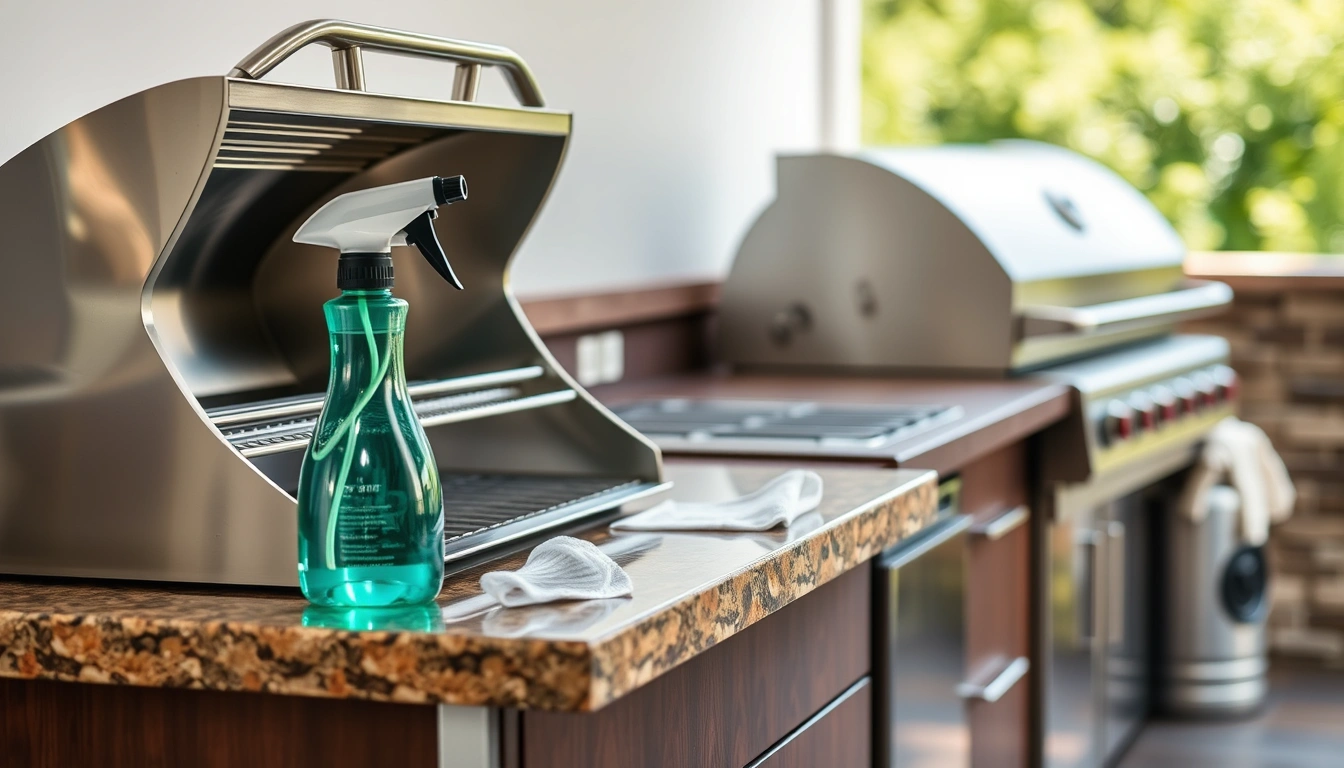
This guide is for a homeowner or renter with a basic outdoor kitchen setup: stainless steel doors or panels, a grill grate, a grill body or hood, and countertops made of granite, quartz, tile, concrete, porcelain, or stainless steel. I’m assuming you already have the usual household tools: a bucket, microfiber cloths, dish soap, a soft nylon brush, and maybe white vinegar. I’m also assuming you know the difference between the grill grate — the bars food sits on — and the grill surfaces around it, such as the lid, side shelves, and grease tray.
Not every cleaning job needs a miracle product, honestly. But if a surface is loose, flaking, warped, or smells strongly of gas, call a professional before you touch it. Most outdoor kitchen damage comes from the wrong method, not from lacking a specialty bottle. A cooktop cleaner that works indoors can still haze a powder-coated panel outside, and an abrasive pad that saves time on a cast-iron grate can scratch brushed stainless in one pass. Ugly, but true.
This is not the right approach for cracked stone, deep rust on structural steel, or a gas leak around burners. If a surface is loose, flaking, warped, or smells strongly of gas, cleaning is the wrong first move.
How do I clean outdoor kitchen countertops, grill surfaces, and stainless steel?
Match the cleaner and the tool to the material, then dry everything right away so minerals, grease, and chlorine do not sit there. Simple rule: use the least aggressive method that clears the mess in front of you.
First, take a quick look around. On natural stone, check whether the surface is sealed; a sealed countertop beads water, while an unsealed one darkens more readily. On stainless steel, look for the grain direction — the fine lines in the finish — because wiping with the grain reduces visible streaking. And on a grill, make sure the unit is cool to the touch and the gas is off before anything else. No shortcuts here.
Here is the procedure I would use.
- Clear the surface completely. Remove trays, tongs, pepper mills, salt, and decor, then sweep off loose grit with a dry microfiber cloth. Verify that crumbs and sand are gone, because those become abrasive once wet. If you still feel grit under your fingers, stop and dry-wipe again instead of scrubbing.
- Mix a mild cleaning solution. Use warm water with a few drops of dish soap in a 1-quart bucket or bowl; aim for a slippery, not soapy, mix. Verify that the cloth rinses clean without leaving foam behind. If the solution leaves a film, it is too concentrated and will streak stainless and polished stone.
- Wash the countertop in sections no wider than 2 to 3 feet. Wipe with a microfiber cloth, then follow with a second damp cloth to lift residue. Verify that the surface feels clean, not sticky. If you see a cloudy film, your cloth is carrying old grease or the soap has not been rinsed off.
- Use a non-scratch pad only where food or grease has hardened. A nylon pad or soft brush is safer than steel wool for most outdoor finishes. Work in small circles for 15 to 30 seconds, then wipe away. Verify that the soil releases without digging into the finish. If the pad leaves marks, you have the wrong abrasive for that surface.
- For the grill grate, heat-clean first if needed, then scrub. Run the grill for 10 to 15 minutes to loosen residue, turn it off, let it cool until it is safe to touch, then brush the grate with a grill brush or nylon scraper. Verify that char flakes off instead of smearing. If black grease turns tar-like, let the grate cool and use a degreasing wash instead of forcing it.
- Degrease the grill lid, shelves, and control area separately. Wipe with warm soapy water, then use a cloth dampened with a 50/50 mix of water and white vinegar on stainless trim only if the manufacturer allows it. Verify that labels, igniters, and seams stay dry. If you see water entering seams or near burners, stop and dry the area immediately.
- Rinse and dry every surface right away. Use a clean damp cloth to remove soap, then dry with a fresh microfiber towel. Verify that no droplets remain around handles, edges, or fasteners. If water spots appear within minutes, the surface has mineral residue and needs a better rinse, not harder scrubbing.
- Finish stainless steel with the grain. Wipe in one direction only, following the brushed lines, then buff lightly with a dry cloth. Verify an even sheen under side light. If you can see swirls, you wiped in circles or used a cloth that was too dirty.
For countertops, the finish matters. Honed granite tolerates more than polished marble; quartz usually dislikes harsh solvents; porcelain is more forgiving but can show metal transfer; concrete may need resealing after repeated washings. When in doubt, soap and water is a reasonable first pass, as long as the manufacturer does not specify something stricter. That middle ground is boring, sure, but it usually works.
Which cleaner belongs on which surface?
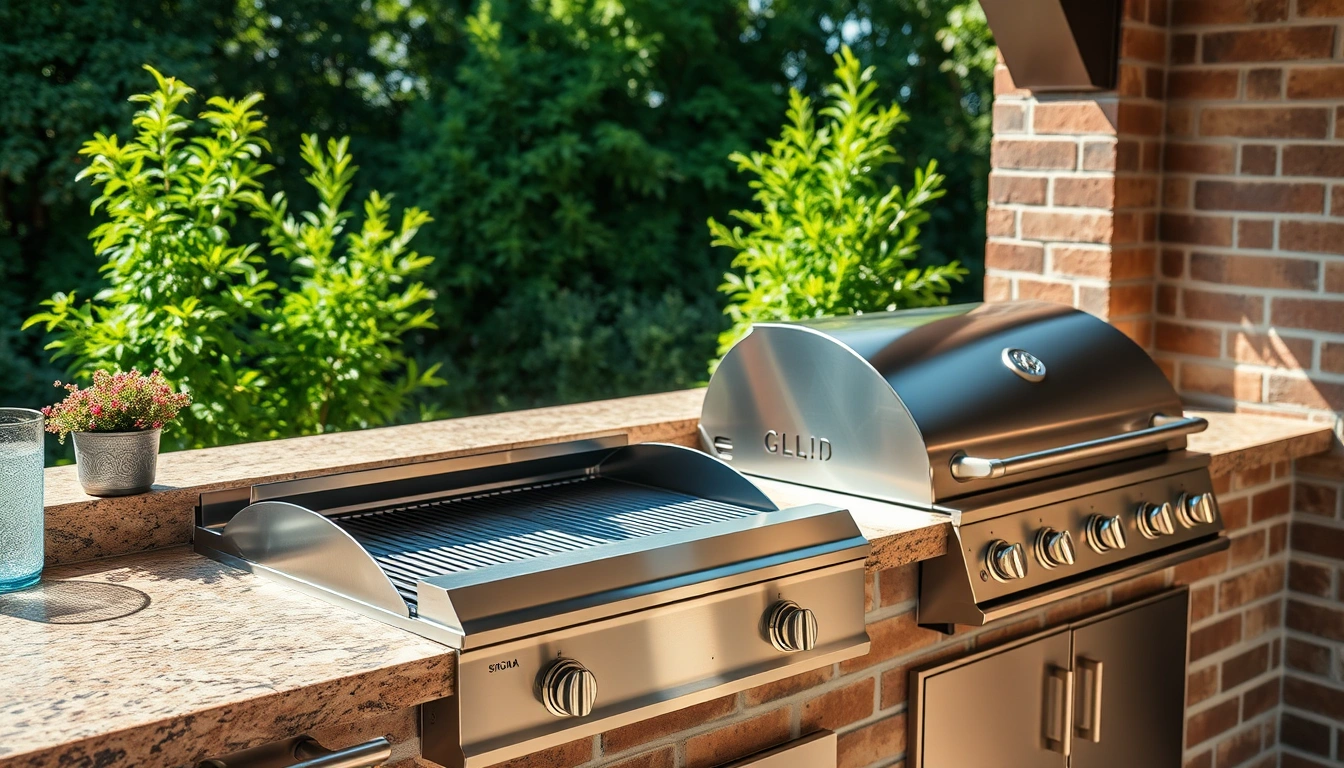
The right cleaner is the one that removes the grime without attacking the finish. For most outdoor kitchen jobs, that means dish soap for routine cleaning, white vinegar for hard-water spots on stainless, and a pH-neutral stone cleaner for sealed natural stone if soap leaves residue.
I would separate the common surfaces this way:
- Stainless steel: warm water, dish soap, or a stainless-safe cleaner; avoid bleach, chloride-heavy products, and steel wool. Chlorides can pit stainless, especially in coastal settings.
- Granite or sealed stone: pH-neutral stone cleaner or mild soap; avoid vinegar, lemon juice, and bathroom sprays that can etch.
- Quartz: mild soap and water only unless the manufacturer explicitly allows a specific cleaner; avoid abrasives and strong solvents.
- Tile and porcelain: soap and water are usually enough; grout may need a soft brush and a separate grout cleaner.
- Concrete: mild soap for routine care; spot cleaning for grease; reseal when water stops beading.
- Grill grates: heat, scrape, wash, dry; if the grate is cast iron, dry it completely and oil it lightly so rust does not start.
This is where generic advice gets people in trouble. Vinegar is fine on some stainless fingerprints, but it is a bad idea on calcite-based stone like marble and travertine. Baking soda can help with odor and mild scuffing, yet as an abrasive paste it can dull polished finishes if you rub hard. Citrus-based degreasers can cut grease fast, but they are not my first choice on painted or powder-coated trim because they may soften the finish. A little too much enthusiasm goes sideways fast.
If you own a grill brand with specific care instructions, follow them over any general rule. Many manufacturers publish care sheets for 304 stainless steel, porcelain-coated grates, or cast-iron parts, and those instructions beat internet folklore.
The mistakes people make on outdoor kitchens
The worst mistakes are fast, aggressive, and expensive, which is exactly why the same ones keep showing up; they feel efficient for about 30 seconds.
Using steel wool on stainless steel: it can scratch the finish and leave tiny iron particles that later rust — use microfiber or a non-scratch pad instead.
Spraying degreaser directly into control knobs or burner openings: it can flood igniters or leave residue where flame should be clean — spray the cloth, not the hardware.
Leaving soap film on stone or stainless: it traps dust and turns into streaks — rinse with a damp cloth and dry with a clean towel.
Cleaning a hot grill with water: it can cause thermal shock on some ceramic or porcelain parts and can throw steam at your hands — let it cool until you can touch it safely.
Using vinegar on natural stone: it can etch the surface and leave a dull patch — use a stone-safe cleaner instead.
Ignoring the grain on brushed stainless: it makes swirls stand out in direct sun — wipe with the grain and buff lightly only after drying.
These mistakes do more than mess up the look. Scratches collect grime, etched stone loses its sheen, and rust on a grate can migrate into food contact zones. If the surface already looks damaged, cleaning will not hide it; it will only make the defect more obvious. That part stings, but there it is.
When should I stop cleaning and use a different approach?
Stop and change methods when the surface shows damage, contamination, or a finish that does not tolerate the normal routine. The wrong cleaner on the wrong material is worse than a little leftover grease.
Unsealed or unknown stone: it may darken, etch, or spot permanently — stick to dry dusting first and test a small hidden corner with plain water before any wet cleaning.
Rust that returns after drying the grate: the metal may need re-seasoning or replacement, especially if the coating has failed — dry it fully and apply a thin food-safe oil if the manufacturer allows it.
Sticky residue near burner ports or igniters: cleaner may have entered a mechanical or gas area — stop, dry the area, and leave gas components alone unless you are following the grill maker’s service instructions.
White haze on stainless after cleaning: it is usually soap, mineral residue, or hard-water spotting — rewipe with clean water, then dry; if that fails, use a stainless-safe polish sparingly.
Powder-coated or painted panels that are peeling: aggressive scrubbing will lift more coating — switch to gentle soap only and avoid abrasive pads entirely.
Deep grease buildup on a neglected grill hood: surface cleaning will not fix it in one pass — remove what you can safely, then plan a second cleaning session instead of grinding harder at the same spot.
When a surface is cracked, warped, flaking, or involved in gas flow, cleaning is the wrong tool. Repair or replacement is the answer, not more elbow grease.
How do I keep stainless steel from looking streaky outside?
Stainless steel stops looking streaky when you use less product and dry more completely than feels necessary. Usually, the mess is residue, not dirt.
The trick is to use a small amount of cleaner and a lot of clean cloth. A microfiber towel folded into quarters gives you eight clean faces. When one face loads up with grease or soap, switch to the next. Work in the direction of the grain, which is easy to find on brushed panels and much less obvious on mirror finishes. If you have a coastal or humid climate, water spots can reappear in under 10 minutes, so drying right away matters more than the soap you chose.
For fingerprints and light film, I prefer dish soap and water first. For stubborn spots, a stainless-safe cleaner can help, but I would not polish the surface every time you wipe it. Over-polishing creates a slick look in some lighting and can leave residue that catches dust. If the steel is 304 grade, which is common in outdoor appliances, it still needs care in salty air; 304 resists corrosion better than plain steel, but it is not immune to chloride pitting.
The honest limitation: stainless steel can look clean and still show scratches from years of use. You can reduce streaks. You cannot erase wear without refinishing.
FAQ
Can I use pressure water on outdoor kitchen countertops?
Usually no for normal cleaning. A hose rinse is fine for loose dirt, but a pressure washer can drive water into seams, under trim, and into grill components.
Is vinegar safe on stainless steel?
Yes, in small amounts on some stainless surfaces, especially for water spots, but I would keep it off natural stone and rinse it off promptly.
How often should I clean the grill grate?
After each cook, scrape while it is still warm enough to release debris but not dangerously hot; do a deeper wash when grease starts to build up or smoke becomes heavy.
What if my countertop is quartz?
Use mild soap and water, avoid abrasive pads, and check the manufacturer’s care sheet before using any acidic or solvent-based cleaner.
Do I need a special cleaner for every surface?
No. For most jobs, one mild dish soap solution, one microfiber cloth, and one non-scratch pad cover the routine clean. Special cleaners matter when the material is fussy, like polished stone or brushed stainless.